
My Nigerian Air Force Journey: Rising, Falling and Rising Again (Part One)
This is my story of serving in the Nigerian Air Force. I joined as a professional printer in 1991, trained as an airman in 1992, studied at Kaduna Polytechnic, helped modernise a military printing workshop, faced setbacks like demotion and detention, and eventually left as a Flight Sergeant to start a business and a new life abroad.
My time in the Nigerian Air Force brought me opportunities, education, professional growth, discipline, challenges, resilience, and personal change.
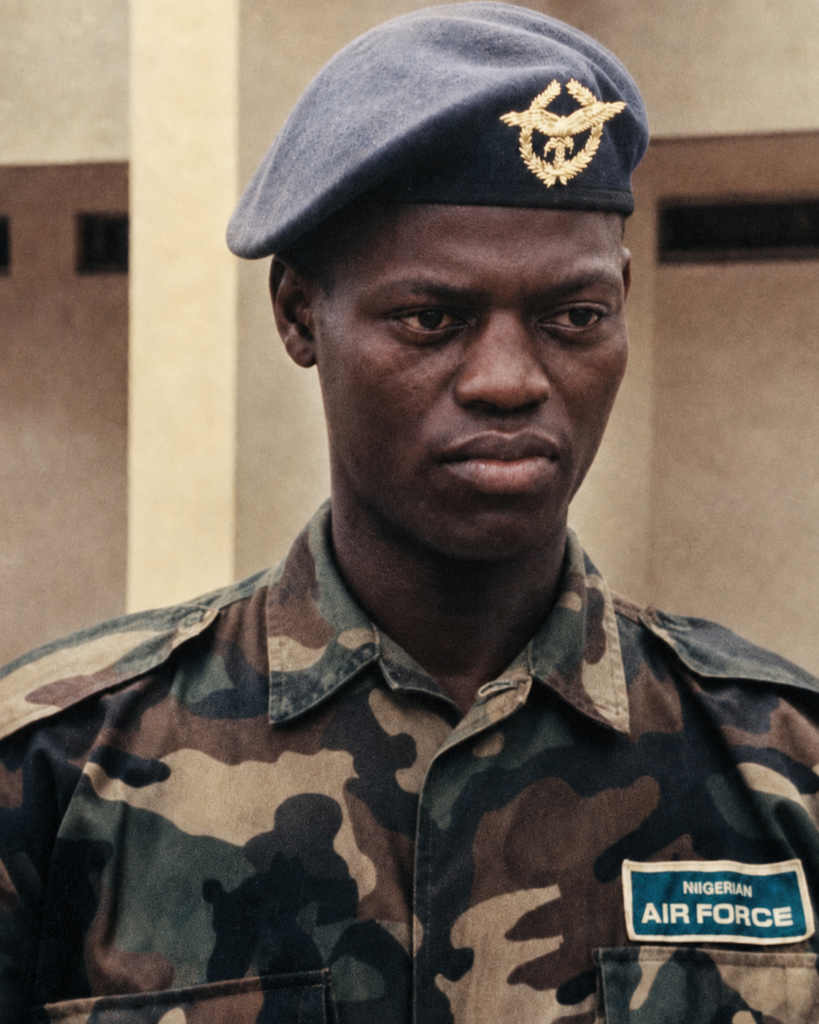
I joined the Nigerian Air Force in June 1991 as a professional printer. Even though printing was my main skill, joining the military meant I also needed to train as an airman. I started my formal military training on 20 January 1992.
That training changed my life. I learned discipline, endurance, obedience, teamwork, time management, and how to stay focused under pressure. It was tough, but it gave me a strong base for the future.
Looking back, my military career had its ups and downs. I was recognised and promoted at times, but I also felt humiliated, misunderstood, and treated unfairly. Still, each experience shaped who I became.
My First Posting to the Command and Staff College
After completing my military training, I was posted to the institution then known as the Command and Staff College, which later became the Armed Forces Command and Staff College, commonly known as AFCSC.
I was eventually deployed to the Work Production Centre, where I worked as a machine printing operator.
This role let me combine my military service with the printing work I loved. Printing was more than just a job for me. It required accuracy, creativity, patience, and attention to detail.
At the Work Production Centre, I gained valuable practical experience in commercial and institutional printing. I worked with printing equipment, handled production assignments and contributed to the printing needs of the College.
I understood that military experience by itself would not get me to the professional level I wanted. So, I decided to continue my education in printing technology at Kaduna Polytechnic, Kaduna, from 1994 to 2001.
While serving at the Command and Staff College, I enrolled at Kaduna Polytechnic in Kaduna to advance my printing career.
My academic journey began with a Certificate in Printing in 1994/95. I progressed to the National Diploma programme from 1996 to 1998 and later completed my Higher National Diploma in Printing Technology in 2001.
Balancing my military duties with my studies was tough. I had to report for duty, finish production tasks, and still make time to study, attend classes, and get ready for exams.
Some days I was physically exhausted, but I stayed determined. I knew that education would help my career and open doors that experience alone might not.
My hard work was recognised during my studies. I received three Best Student certificates at different stages of my academic journey at Kaduna Polytechnic.
These awards meant a lot to me. They showed that determination, discipline, and consistency can lead to great results, even when things are tough.
I was not just serving in the military. I was also working hard to become a qualified printing professional.
Military Ranks
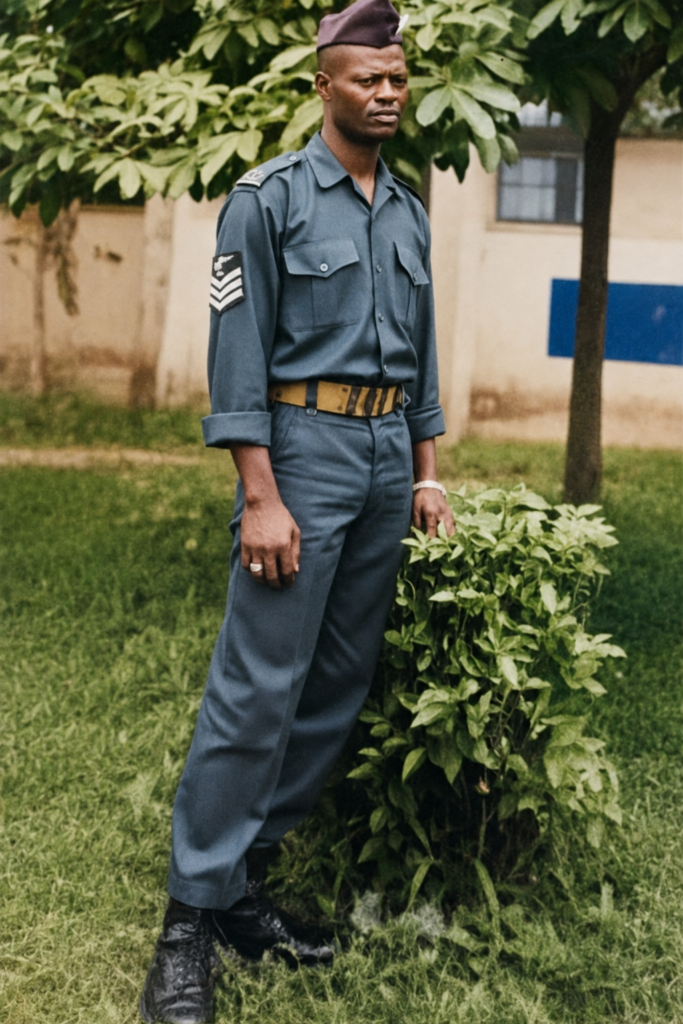
During my years at the Command and Staff College, I progressed through several military ranks.
I was promoted from Aircraftman to Lance Corporal, then to Corporal and eventually to Sergeant.
Each promotion meant more than just a new rank. It showed my years of service, discipline, hard work, and growing responsibility.
By the time I became a Sergeant, I had acquired substantial experience both as a military airman and as a printing specialist. I believed that my education, professional achievements and service record had prepared me for greater responsibilities.
In 2003, I was posted from the Command and Staff College to the Nigerian Armed Forces Resettlement Centre, NAFRC, in Oshodi, Lagos.
That posting marked a new chapter in my military career.
Becoming Deputy Head of the Printing Workshop
At NAFRC, I became the Deputy Head of Department in the Printing Workshop.
This was a big responsibility. I was no longer just a machine operator. I now supervised production, helped with administration, and took part in planning the workshop’s future.
When I arrived, the workshop was still largely dependent on traditional letterpress printing technology. Letterpress had played an important role in the history of printing, but the industry was changing rapidly.
Lithographic offset printing had become more efficient and suitable for producing modern, high-quality printed materials in larger quantities.
I felt the NAFRC printing workshop needed to keep up with changes in the industry.
Between 2003 and 2005, I prepared and submitted a proposal recommending that the printing workshop be upgraded from letterpress production to lithographic offset printing.
In my proposal, I explained the benefits of modernising the workshop. These included better print quality, faster production, more efficiency, and the ability to handle more types of printing jobs.
My proposal was accepted, and the printing workshop was upgraded.
This is still one of my proudest achievements. It showed that my education and experience paid off. I was able to spot a problem, suggest a solution, and help the organisation grow.
The Pain of Demotion and Detention
Despite my professional achievements, the years from 2003 to 2005 were some of the hardest in my life. I believed there were serious injustices arising from allegations that, in my view, were not properly verified.
In 2004, at a time when I was expecting further advancement, I was demoted from Sergeant to Corporal. I was also sentenced to approximately two weeks in detention.
The experience was emotionally very hard. Losing my rank did not feel like losing only the stripes on my uniform. It felt as though years of hard work, education, service and personal dignity had been taken away from me.
I had worked hard to rise from Aircraftman through the ranks. I had studied while serving. I had won academic awards. I had contributed to the development of the printing workshop. Yet I suddenly found myself reduced in rank and confined in the guardroom.
It was painful and humiliating.
During that time, I felt angry, disappointed, confused, and alone. I questioned if my years of commitment mattered and worried about how it would affect my career, family, and reputation.
But I refused to let the experience break me.
Appealing the Decision and Recovering My Rank
After I was released from the guardroom, I met with several senior officers and explained the circumstances surrounding the disciplinary action.
Some of them listened carefully and advised me not to remain silent. They encouraged me to appeal the decision through the appropriate military channels.
Following their advice, I formally appealed.
It took courage to prepare my appeal, since challenging a decision in the military can be intimidating. Still, I believed the facts deserved another look.
Eventually, my case was reviewed.
My rank of Sergeant was restored, and I was subsequently promoted to Flight Sergeant.
The restoration of my rank was deeply emotional. Getting my rank back was very emotional. It did not erase the pain or humiliation, but it showed that persistence can bring justice. The rank that had been taken away was restored, and I moved forward to the senior non-commissioned rank of Flight Sergeant.
That experience taught me an important lesson: if you are treated unfairly, present your case respectfully, follow the right process, and never give up your dignity.
The 2005 Airport Road Accident
After overcoming the demotion issue, another major challenge arose in 2005.
I was involved in a serious road accident on Airport Road in Lagos. What should have been handled as an accident turned into a tough confrontation with several senior officers. It was more complicated than I expected, and I was eventually detained again in the guardroom.
By then, I had already felt the emotional impact of demotion and detention. Facing another confinement made me question if I could keep building my future in the military.
This time, I decided to seek legal advice from my personal counsel, who was a civilian lawyer.
Getting help from a civilian lawyer in a case with military authorities was not a decision I made lightly. I knew it was sensitive, but I believed I had the right to protect myself and seek justice legally.
It was a tough battle. I felt pressure, uncertainty, and worried that defending myself might cause more problems.
But some senior officers gave me guidance and support. With legal advice, determination, and help from people who wanted fairness, I finally got justice.
That experience strengthened my belief that justice should not depend only on rank, influence, or power. Everyone deserves to be heard, and claims should be checked before any punishment.
By this stage, I had served for many years and had experienced both the honour and hardship of military life.
I had risen from Aircraftman to Flight Sergeant with a national medal, Force Service Star (FSS). I had developed myself academically. I had contributed professionally to military printing operations. I had successfully proposed the modernisation of the NAFRC printing workshop.
But the repeated conflicts, discipline issues, and emotional stress changed how I saw things.
I began to ask myself an important question:
Was it time to leave the Nigerian Air Force and build a different future?
Leaving the military was not easy. The Air Force was a big part of my adult life. It gave me discipline, experience, responsibility, education, and opportunities.
At the same time, I knew that I had professional skills that could support me outside the military.
By then, I had completed my house on Azeez Majekodunmi Street, Ikorodu, Lagos. Having my own home gave me confidence and security. I knew that even without military housing or a steady salary, my family and I had a place to stay: acquired professional qualifications, practical experience, business knowledge and property.
I eventually left the Nigerian Air Force as a Flight Sergeant around 2005–2006 to focus on my printing business and take charge of the next part of my life. Building My Printing Business
After leaving the Air Force, I focused fully on printing and entrepreneurship.
My military printing experience, Kaduna Polytechnic qualifications and years of managing production responsibilities gave me a strong foundation.
In 2005, I secured several printing contracts and began earning substantial income from the business.
This transition proved that studying printing professionally was worth it. What I learned in school, my technical experience, and my leadership roles at NAFRC all became valuable in civilian life. understood production planning, costing, quality control, equipment operation, client management and deadline delivery.
My business success made me more independent. For the first time, I could plan my future without relying on the military.
The money I earned from printing contracts also let me think about opportunities outside Nigeria.
Deciding to Move Abroad
As my printing business grew and my financial position improved, I began considering opportunities outside Nigeria.
I did not decide to move abroad because I had nothing in Nigeria. In fact, I had finished my house, built a professional reputation, and secured good printing contracts.
I wanted to expand my experience, explore new opportunities and build a wider future.
Leaving Nigeria became another big turning point. It ended one chapter and started a journey that took me to new countries, schools, cultures, technologies, and job opportunities.
The courage to move abroad partly came from everything I had been through in the Nigerian Air Force.
Military training taught me to adapt. Education taught me to grow. Business taught me to take smart risks. Injustice taught me to stand up for myself. Recovery taught me never to give up.
Lessons from My Nigerian Air Force Journey
My time in the Air Force taught me that a uniform gives authority, but character decides how you use it.
It taught me that professional education matters. The decision to attend Kaduna Polytechnic strengthened my career within the military and made it possible for me to succeed after leaving.
It taught me that institutions can make mistakes. When that happens, you need courage to follow the right process and challenge unfair decisions. Demotion does not always define a person’s true value. At one point, I was reduced from Sergeant to Corporal, but I later had my rank restored and became a Flight Sergeant.
It taught me how important preparation is. I could leave the military with confidence because I had invested in my education, finished my house, and built a career that could support me.
Most importantly, it taught me that setbacks can lead to new beginnings. The guardroom was not the end of my story. Demotion did not define me. The accident did not ruin my future. Leaving the military did not mean I had failed.
Every tough experience pushed me to become more courageous, independent, and self-aware.
To Be Continued with Part Two
Azeez Majekodunmi HND BA(Hons) MSc Fss
azeez@azmajek.com

0 Comments